
Disadvantaged Children living in a difficult situation, street children, homeless children, children living with their parents in urban slums or those children having little constitute a marginalised population in most Urban centers around the world. Bengaluru, is no exception. A very rough estimate would place the number of street children in the city of Bangalore alone at around 80,000.

Founded in December 2009 in Koppal, Need Base India, initiated an effort to open Child care homes with an aim to help the disadvantaged children in the city of Bengaluru, Karnataka. Ten homes are presently run at Bengaluru supporting more than 546 children.

The primary objective of NBI is to provide holistic development to the children, through care and protection, health, education, and life skills. The goal is to provide continued support and empower children in a way that they emerge as self-sustained adults. Thus they can contribute to society productively and leave a positive influence on the communities.

NBI Childcare Homes

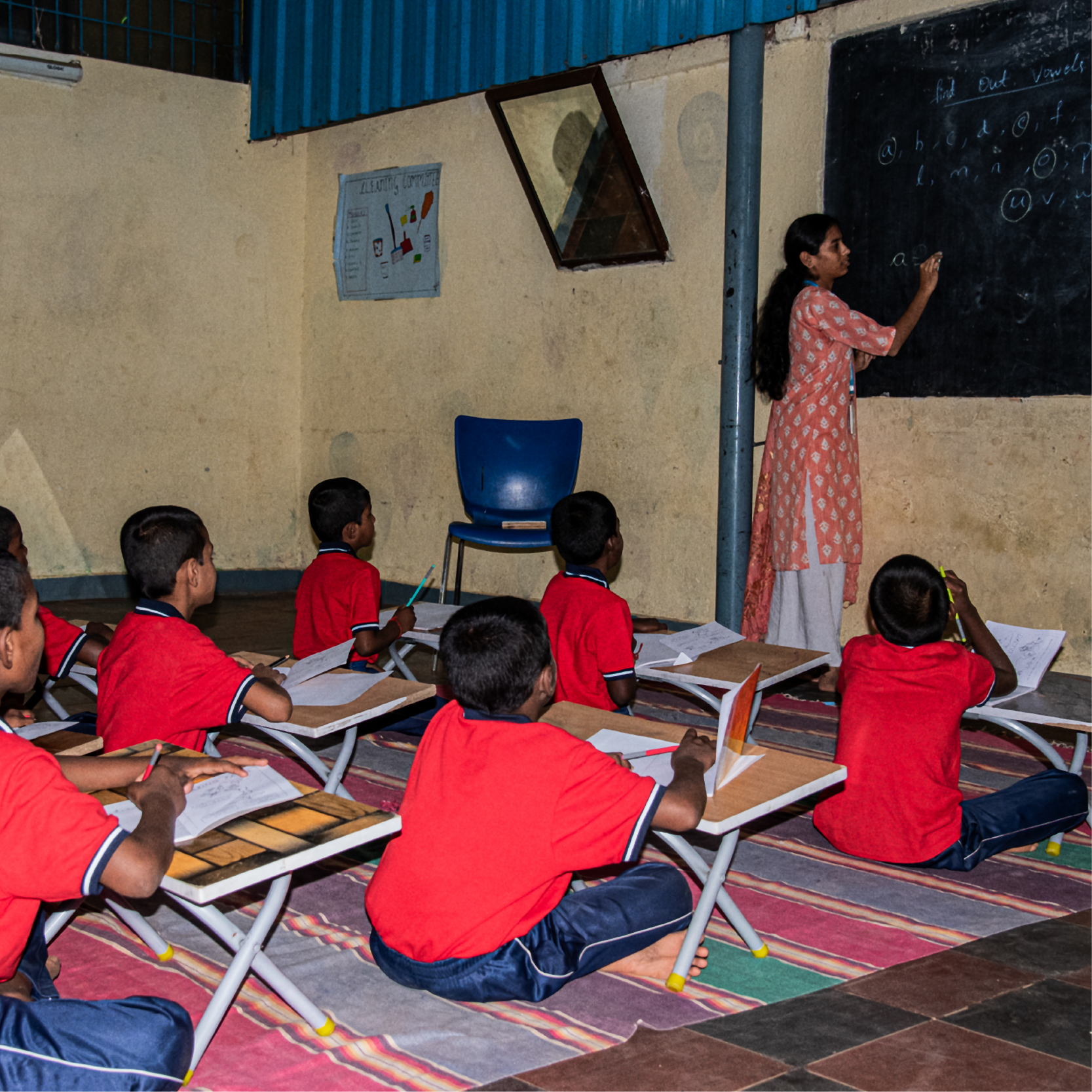
NBI’s strategy has always revolved around the optimised use of available resources and government’s schemes. This is what led to the idea of running residential homes within the premises of a government school. This association in addition to providing shelter to the needy children, it also strengthened and improved the school strength as well as improved the overall facilities, like clean toilets, digitised classrooms, and more.

Collaboration with Government Schools and Education Department, Karnataka
Identification of Vulnerable Children
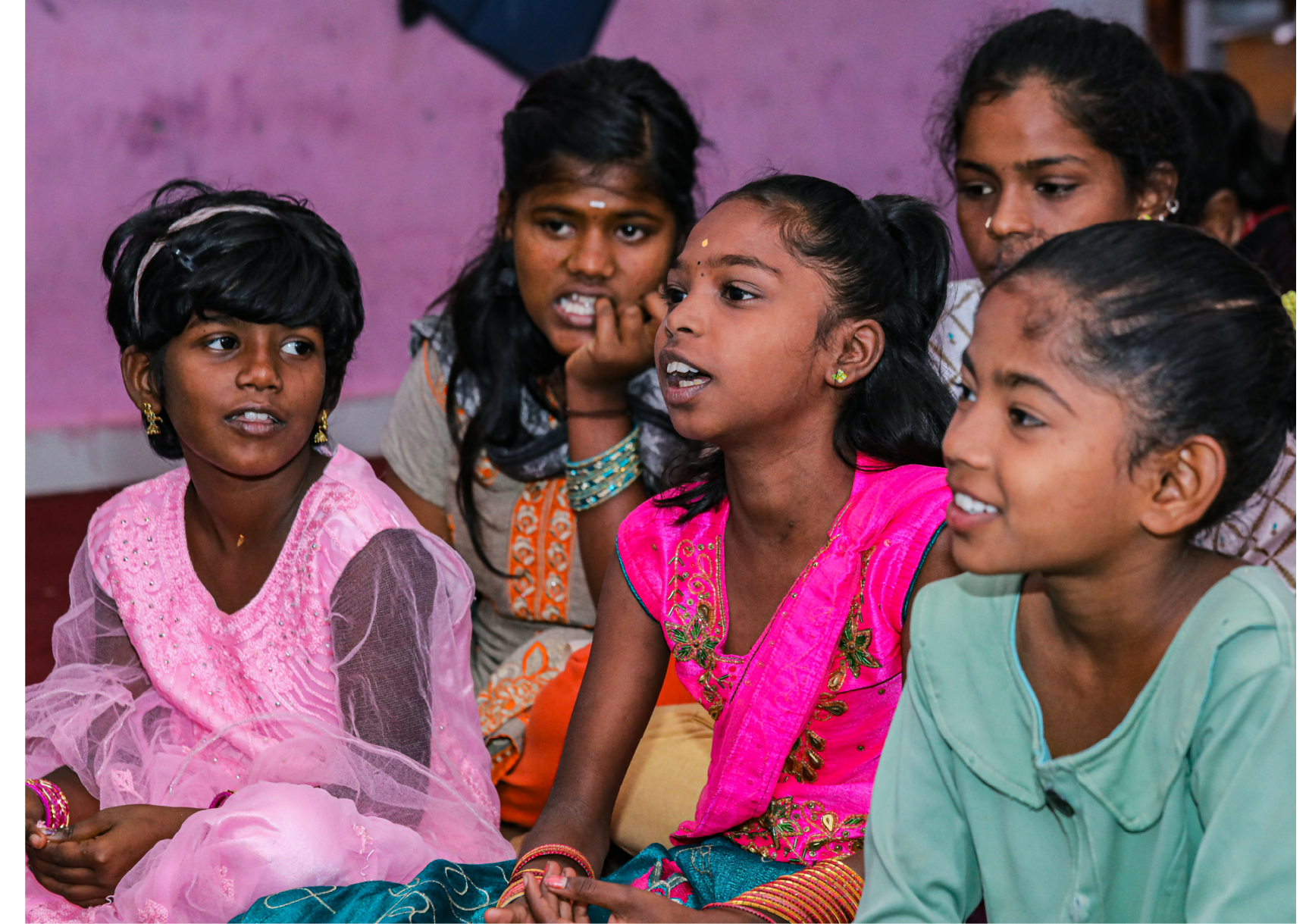
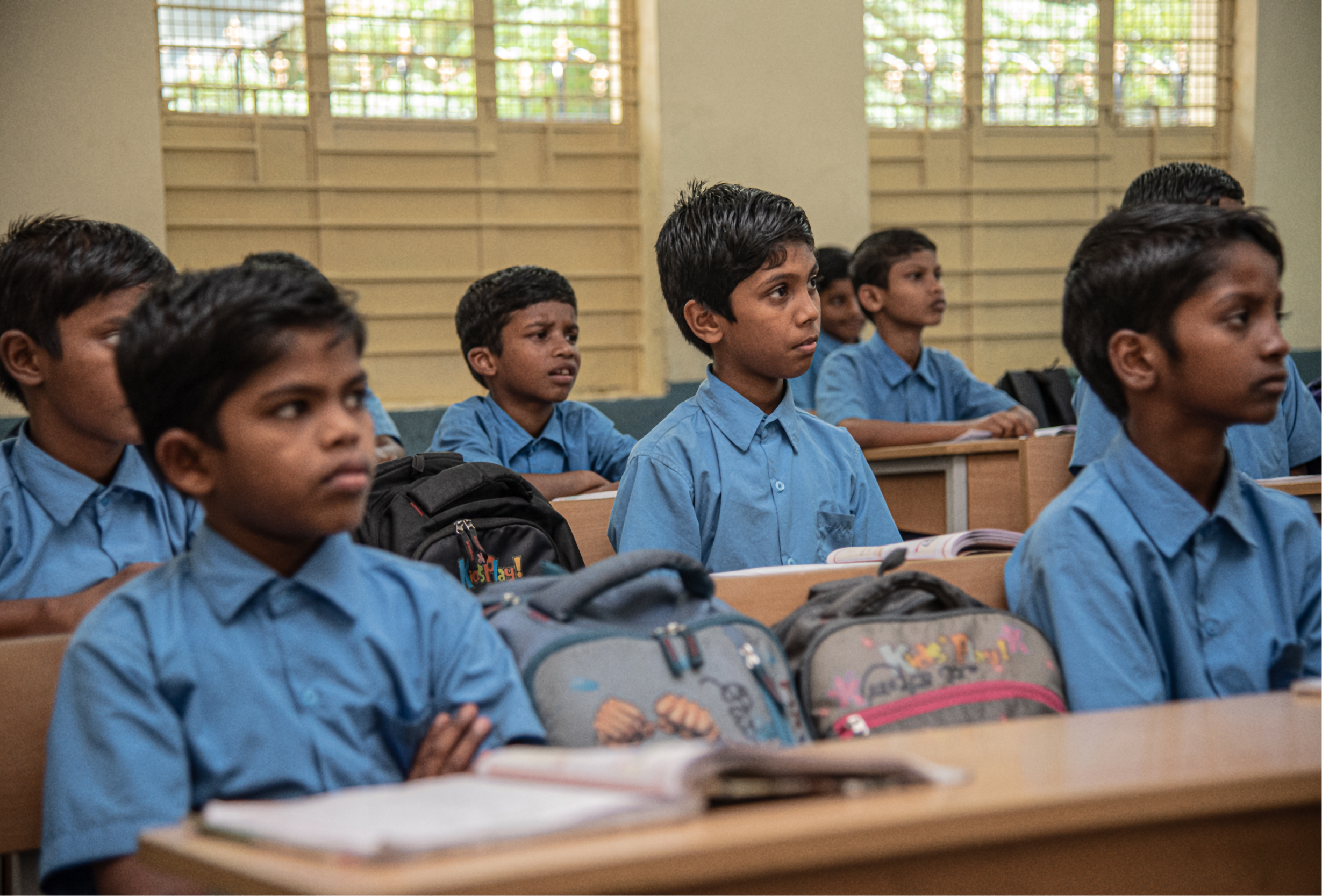
Vulnerable children in the communities are identified by Anganwadi workers, school teachers, and parents of children in the existing programs. Once identified, families are approached, and a problem assessment, concerning the child, is done. If found needy, necessary process laid down by the Child Welfare Committee (CWC), Women and child development Ministry is undertaken for approval for admission to the Care home. The children are sheltered in the care home in the school premises itself. The child is admitted to the appropriate class and they attend school during the day.

Nutrition, Physical, and Mental Health Care
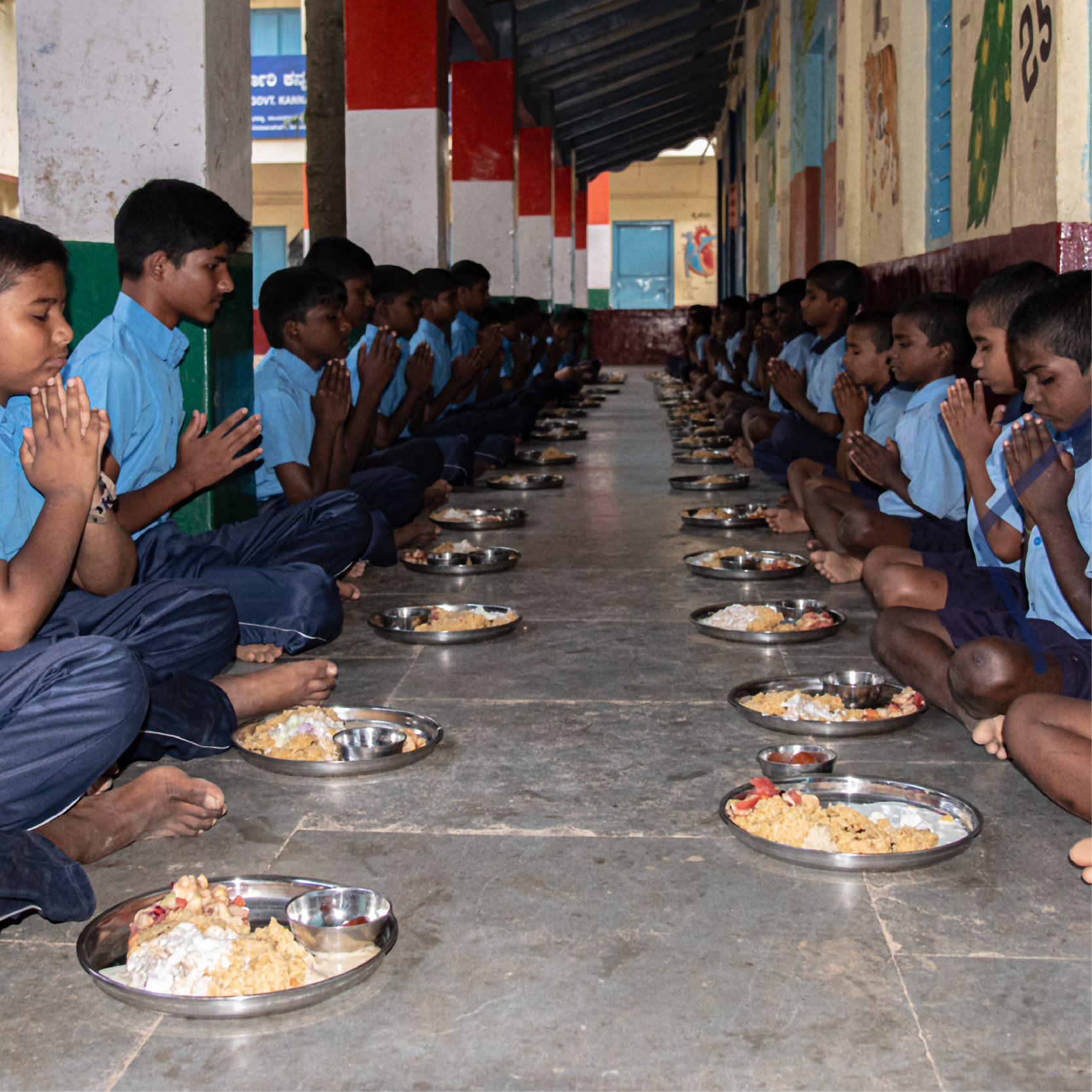
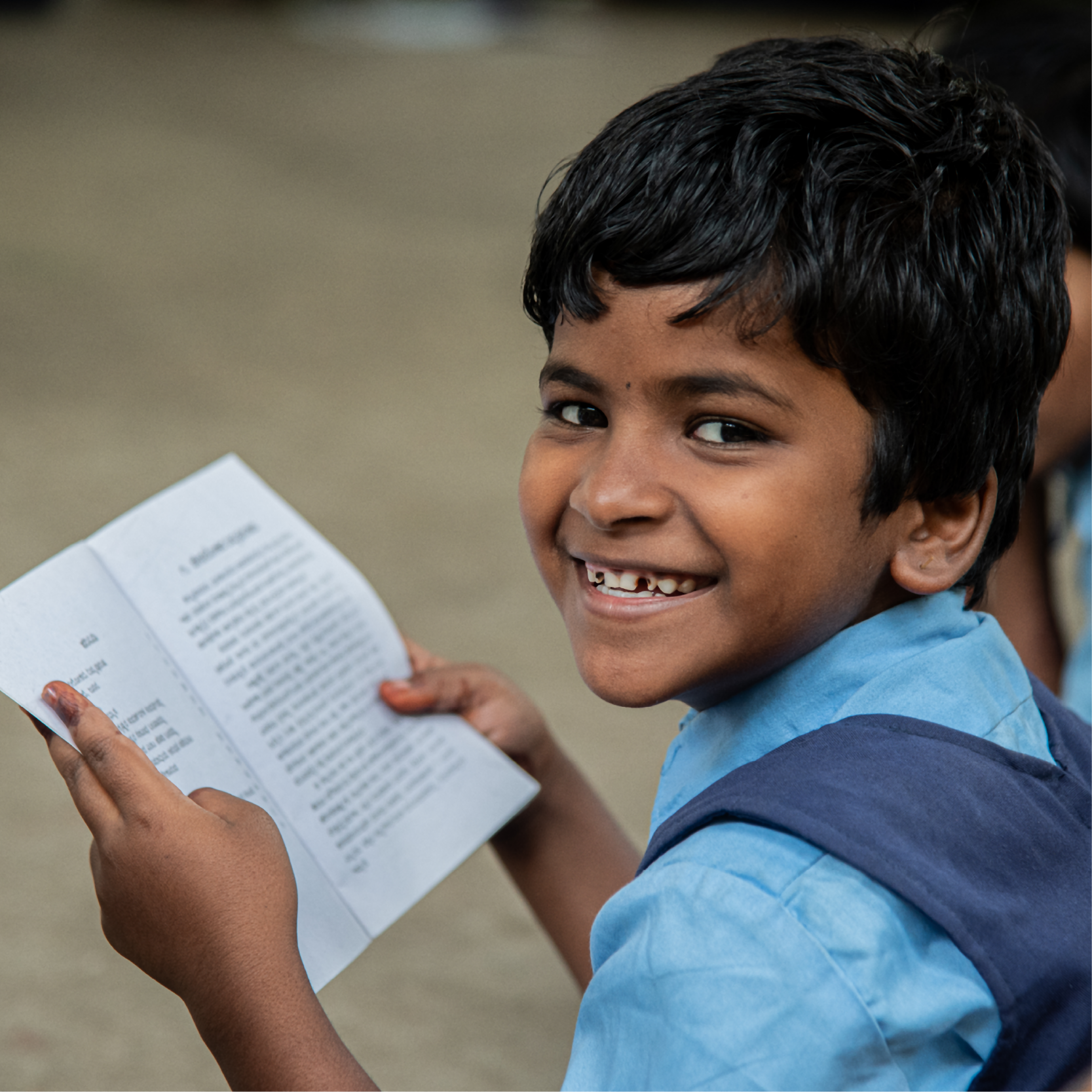
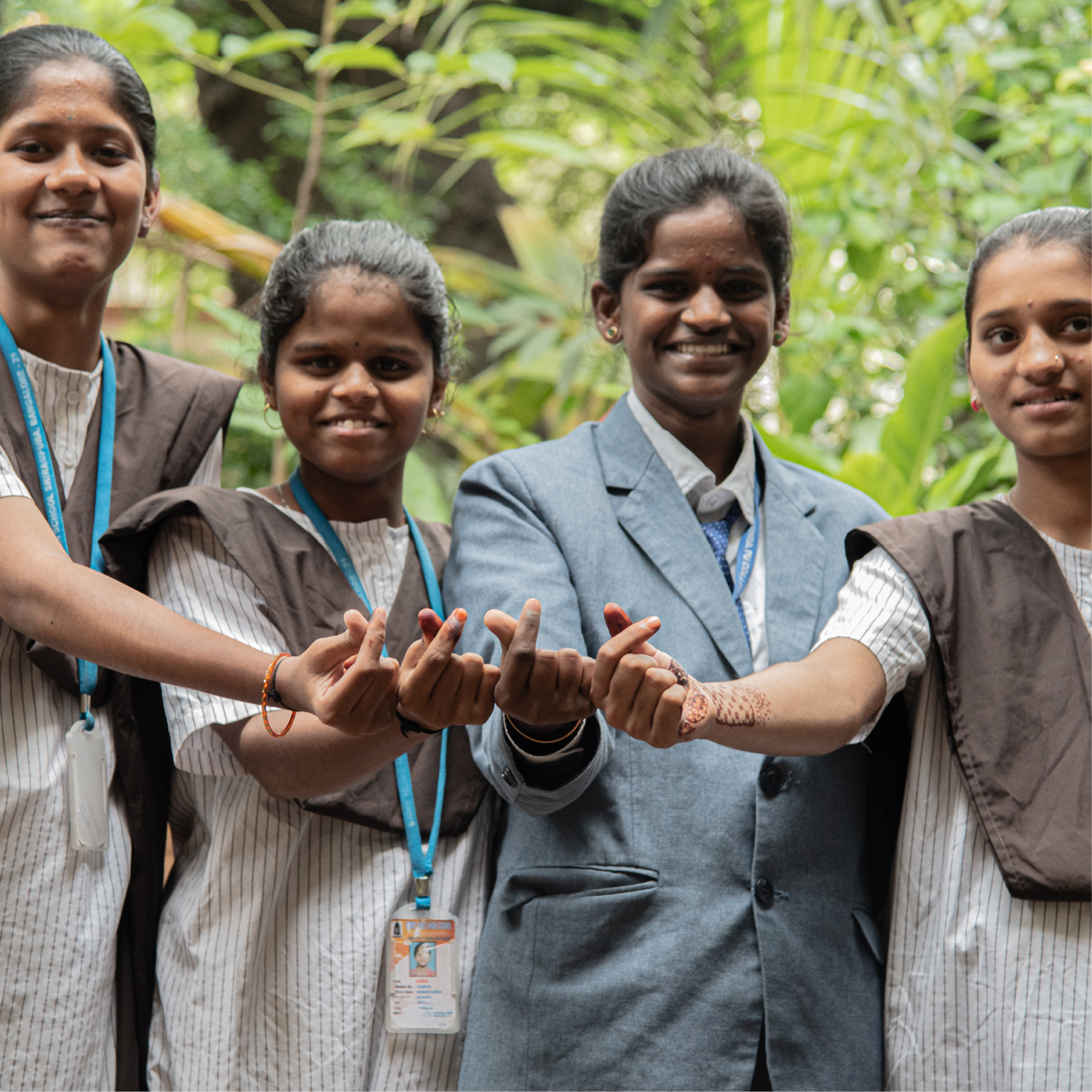
Under the shelter of these homes, children get healthcare facilities, nutritious food, and protection. Apart from providing basic amenities, children also get the required support in education. A team of residential staff, including home managers, caretakers, teachers, and security guards ensure to take care of the children.

Special attention is given to physical well-being as well as mental health. Children are provided with a balanced nutritious diet. Additional nutrition is provided to children who are found underweight. Regular health check-ups for monitoring the BMI, ensuring immunisation, are conducted regularly. Periodic Dental health and Eye camps are also conducted to ensure overall health of the children.

Children with complications like attention-seeking, anger, abusive language, poor academics, depression, aggression, lack of concentration, withdrawal from others are addressed through regular group counselling and value education. Those requiring individual attention are counselled in individual sessions.

An entry level intelligence test to determine the strengths and weaknesses of the child is conducted and necessary intervention through bridge course or counselling is imparted. Children found to be low scoring or with aberrations are referred to NIMHANS for further investigation.  Necessary intervention is provided as recommended by NIMHANS.

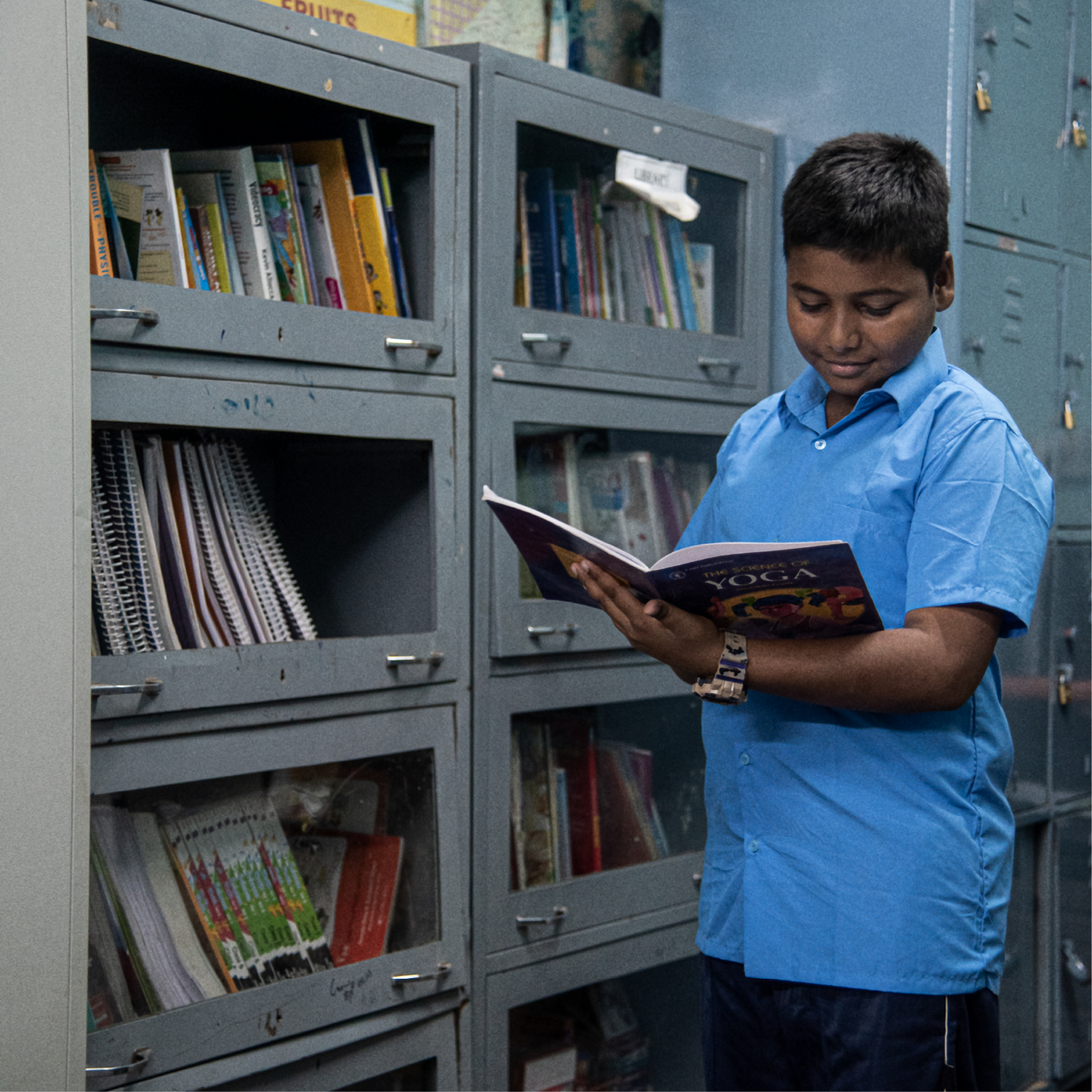
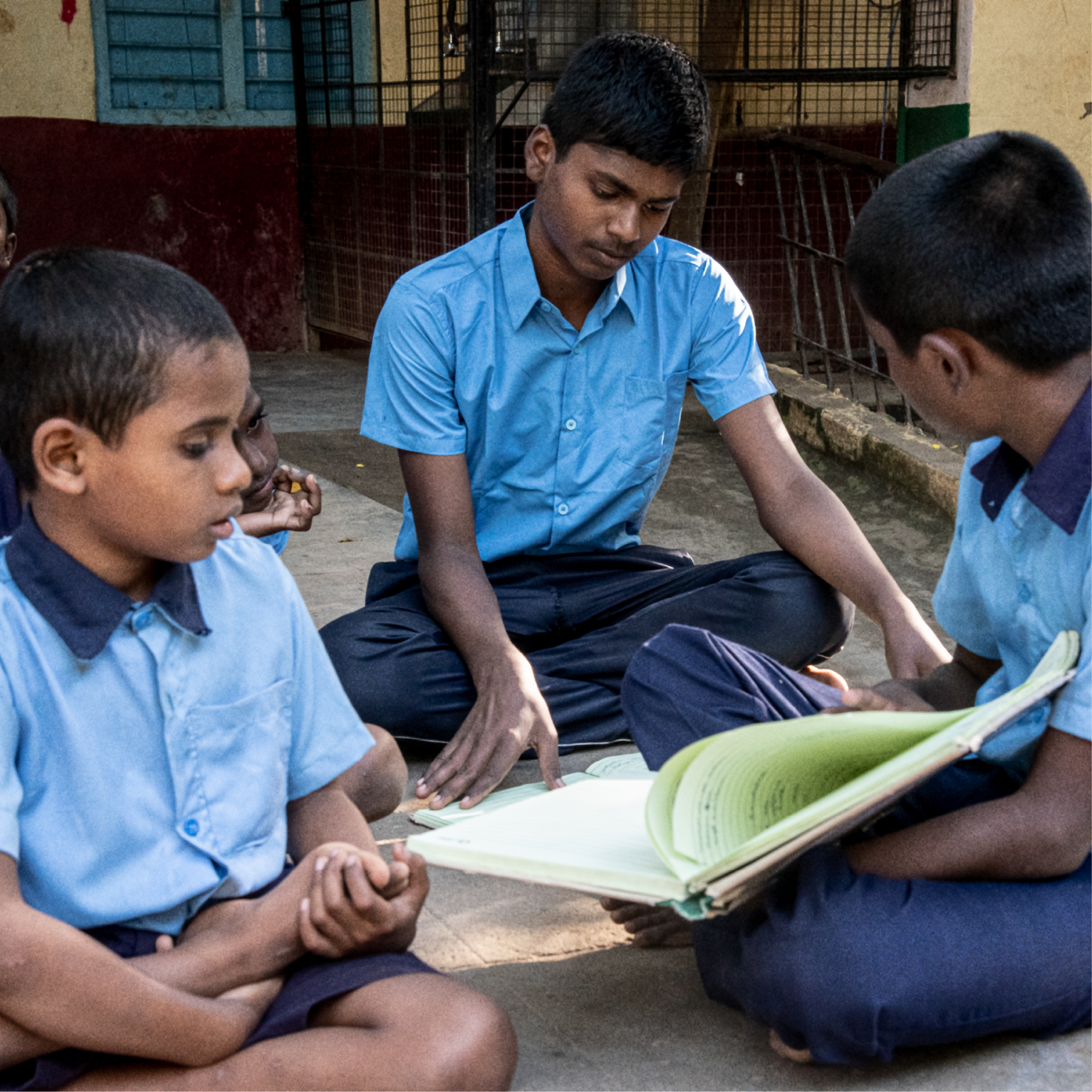
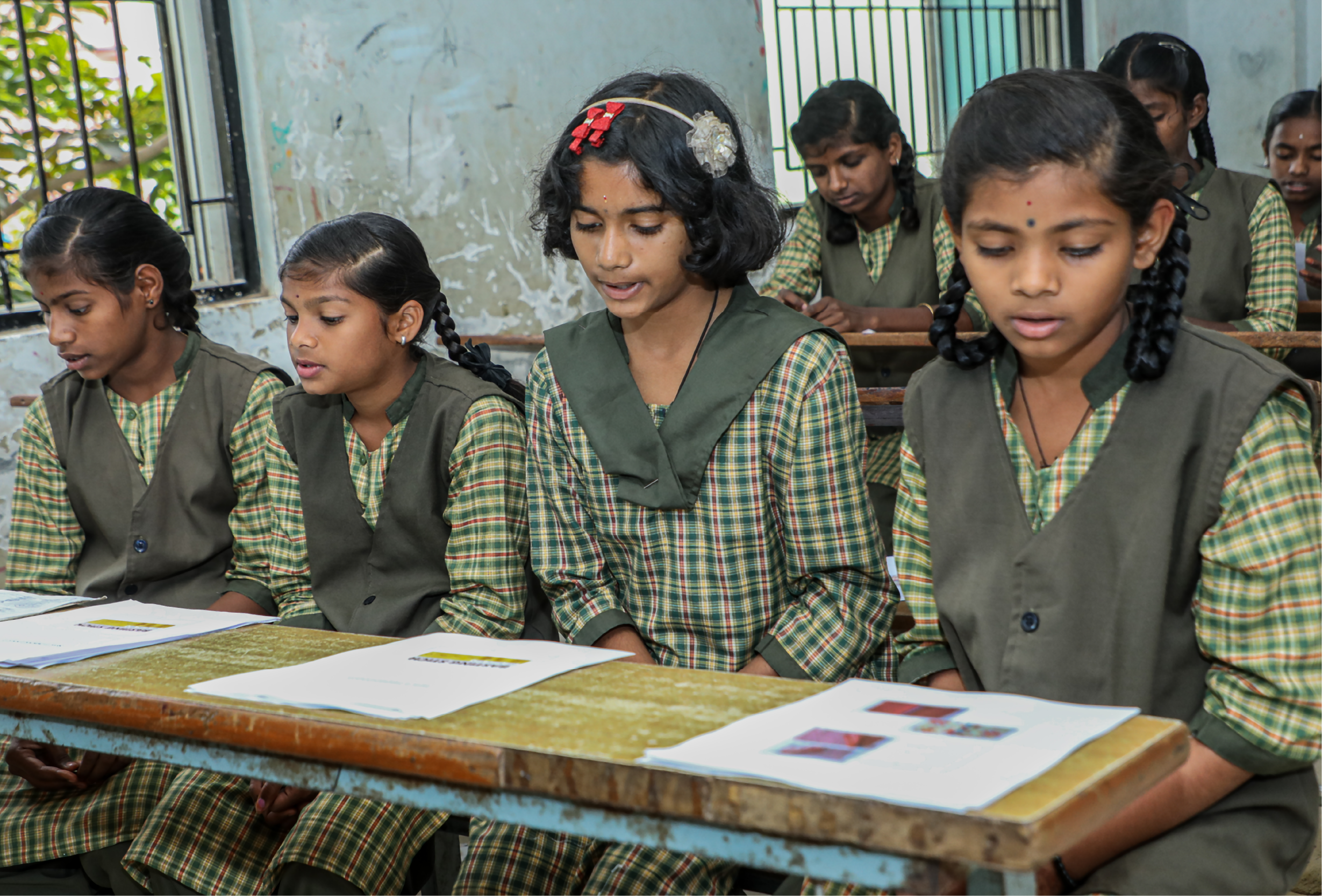
Most of the children being first generation learners, school dropouts or never enrolled, they require intense support and supervision in education. Bridge courses, after school classes, tuitions, remedial classes and continued assessment is carried out. Academics are aligned to the school curriculum, and the effort is to ensure good performance at school.

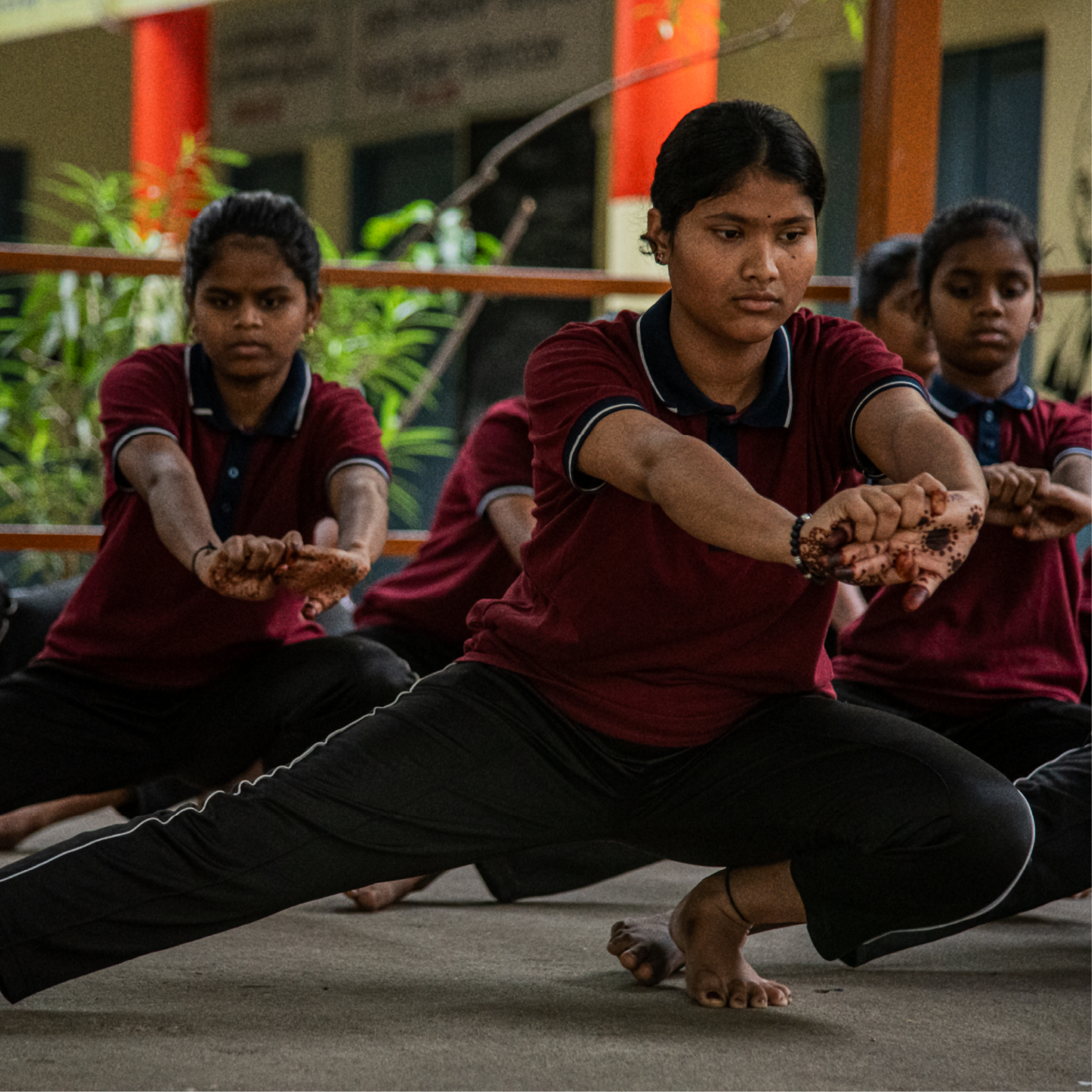
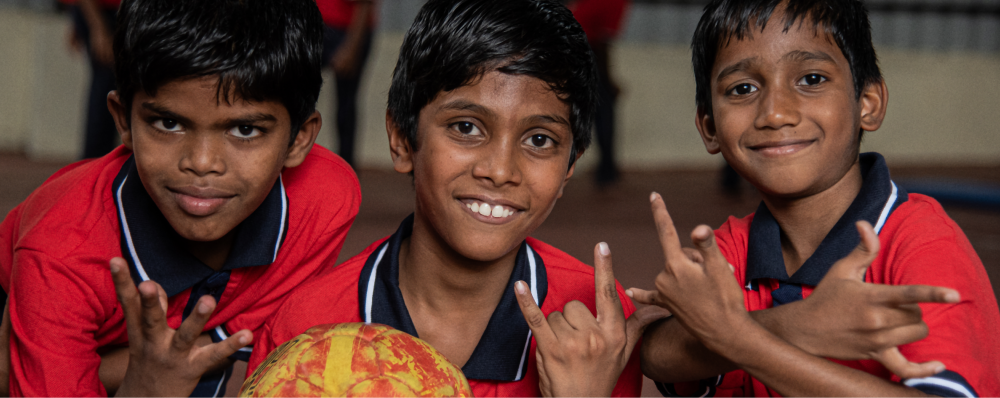
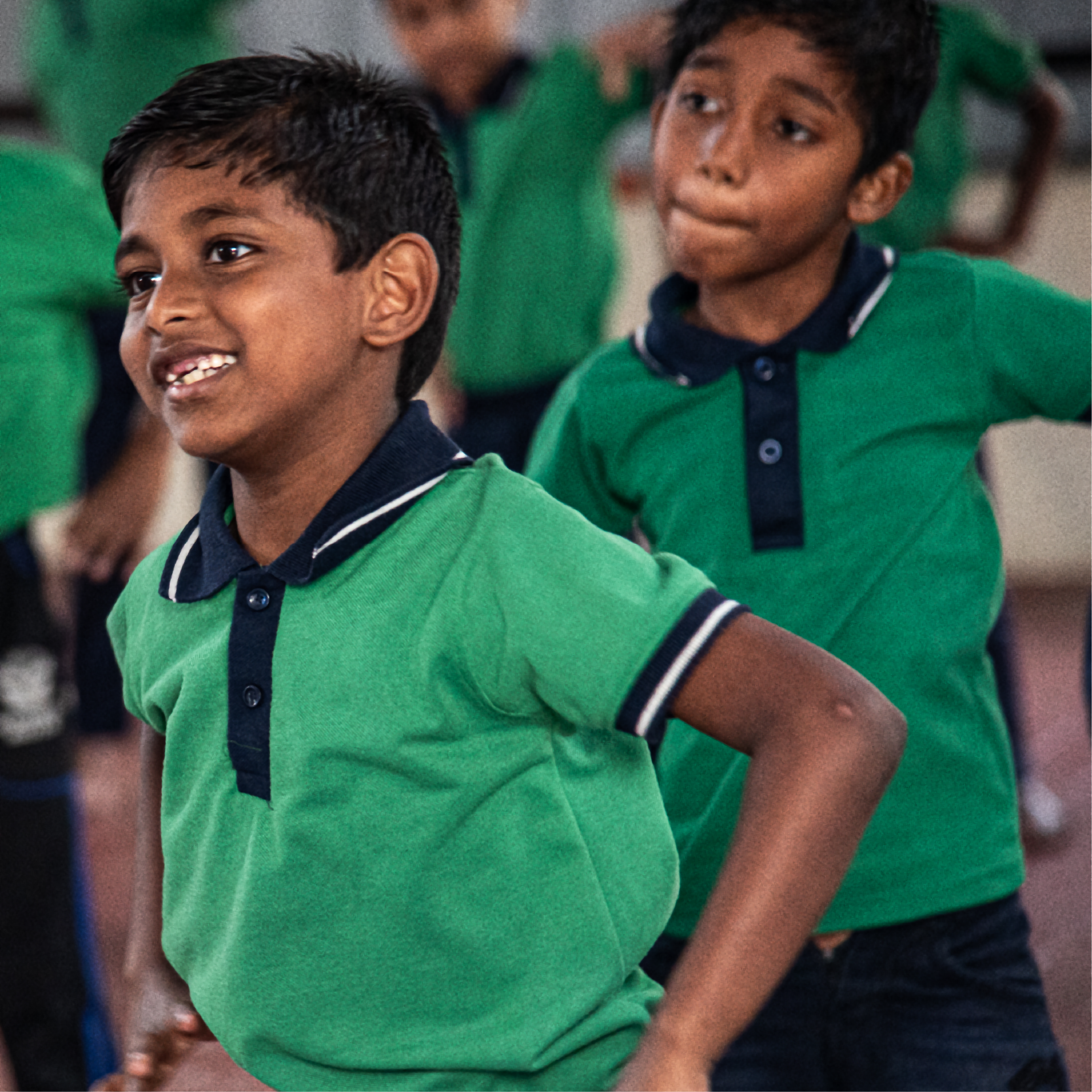
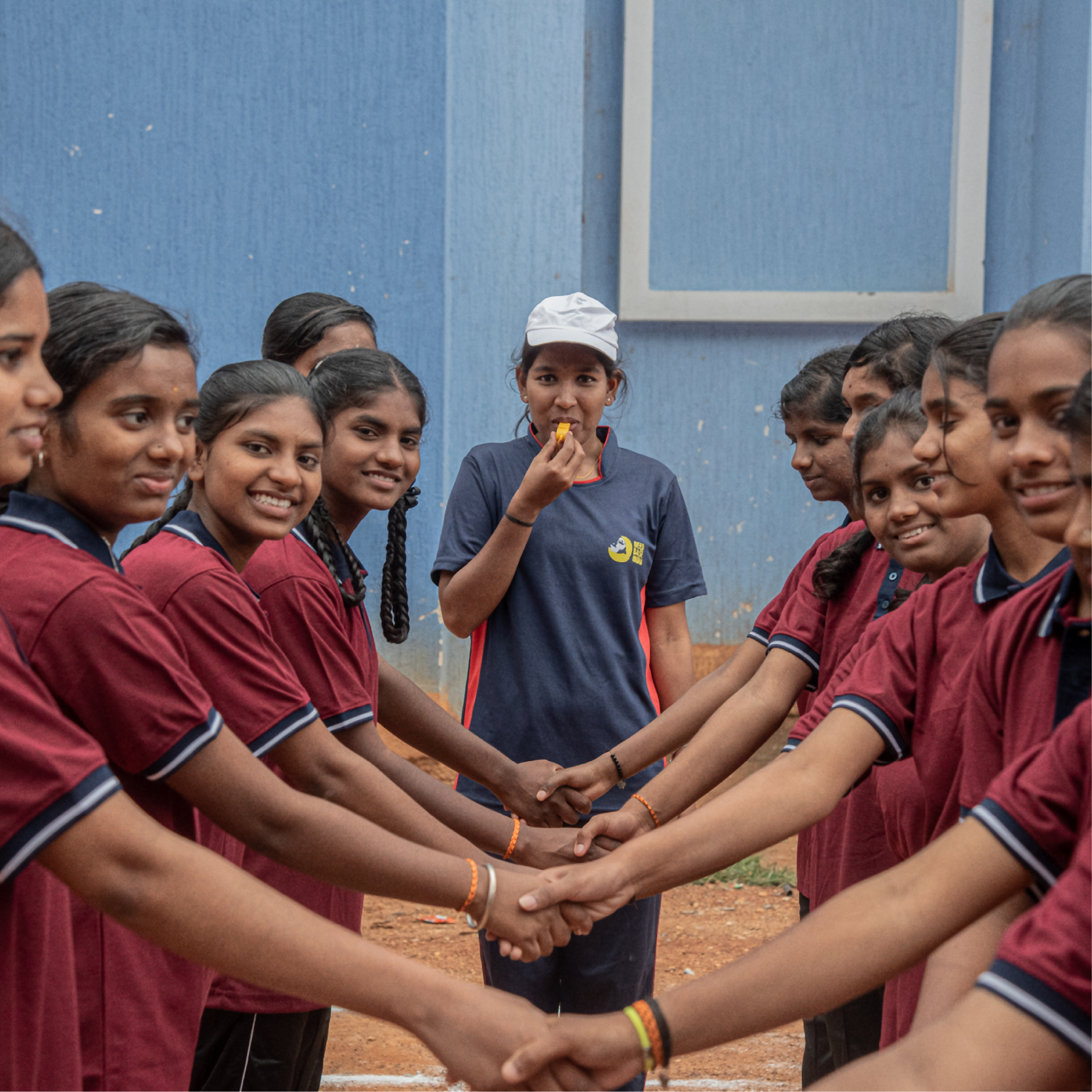
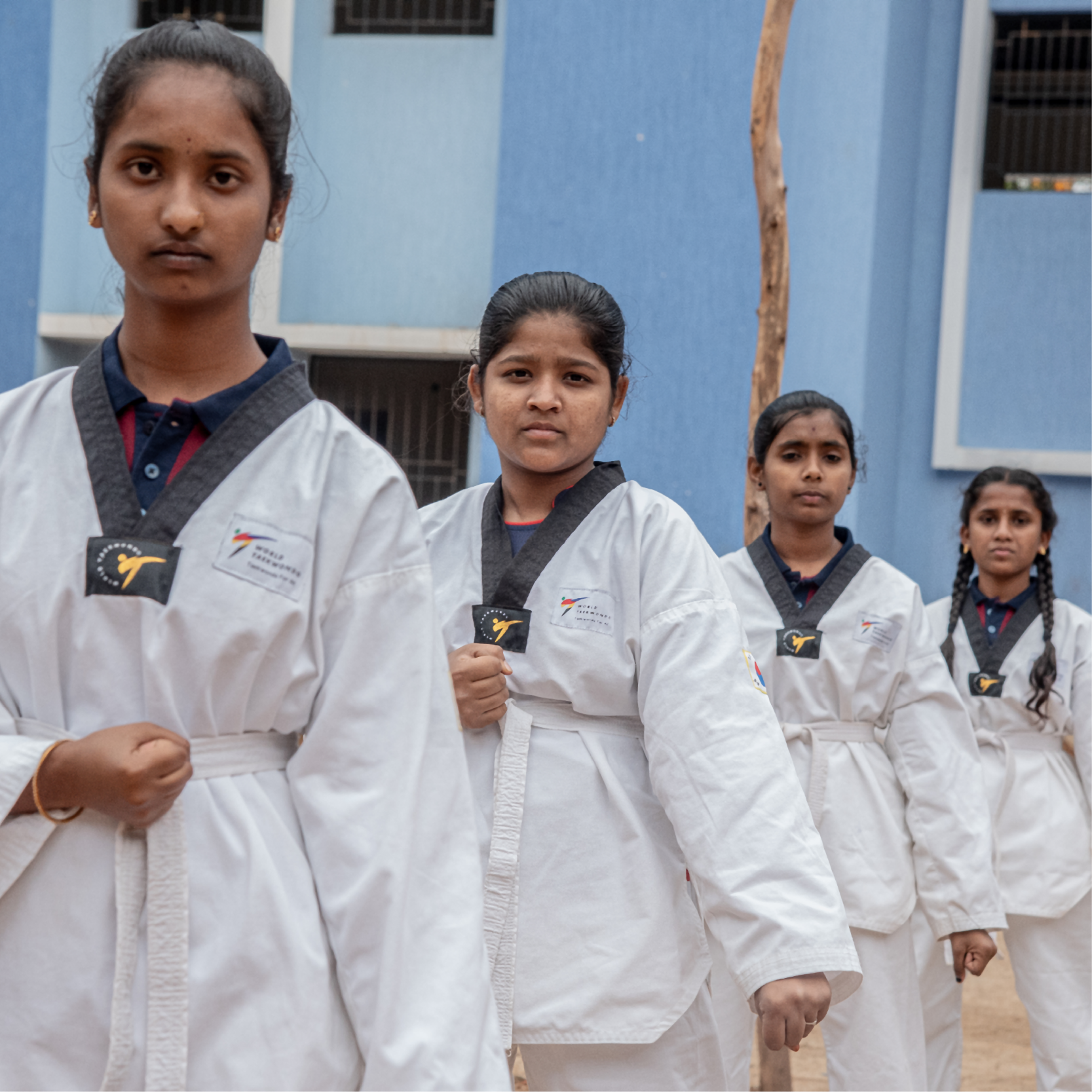
Sports, cultural activities, art and craft classes are conducted regularly to ensure nurturing the creative potential of the child and enable overall development. Talented children excelling in any specific aspect are provided with specialised intervention to ensure blossoming.

Education

Family and Social Reintegration
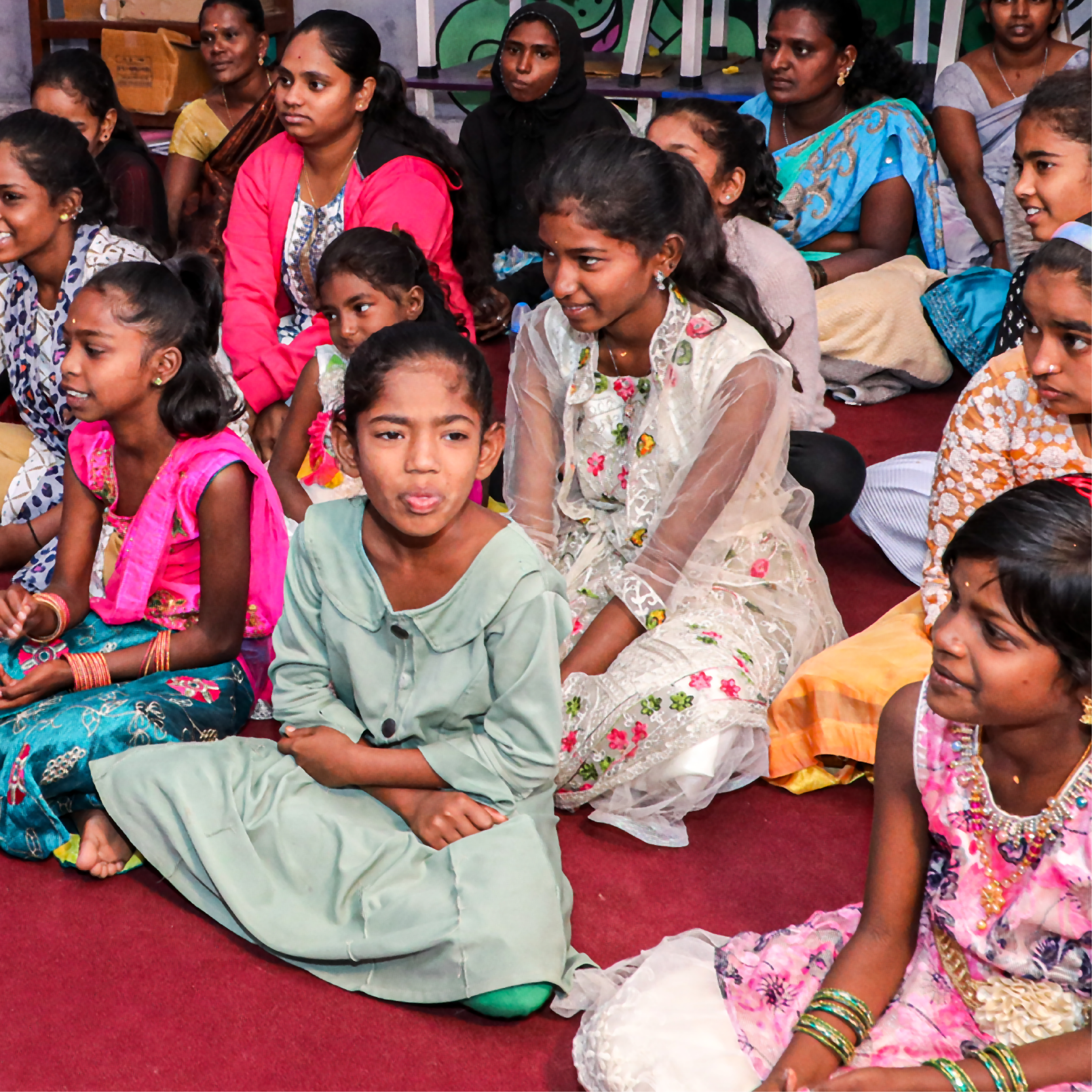
A child who is admitted in class I, normally stays on till they complete class XII. Nevertheless, as the children reach 18 years of age, and finish class XII, the decision to return back to their families is primarily on them. If the child is willing to return, and the background of the family is conducive, then children are reunited with their parents.

In most of the cases, children are unable to return to their parents due to their economical condition, or don’t have supportive parents, or the home environment is vulnerable and they wish to continue their higher education. NBI through its Young Adult program extends all support to such students till they are able to sustain themselves.

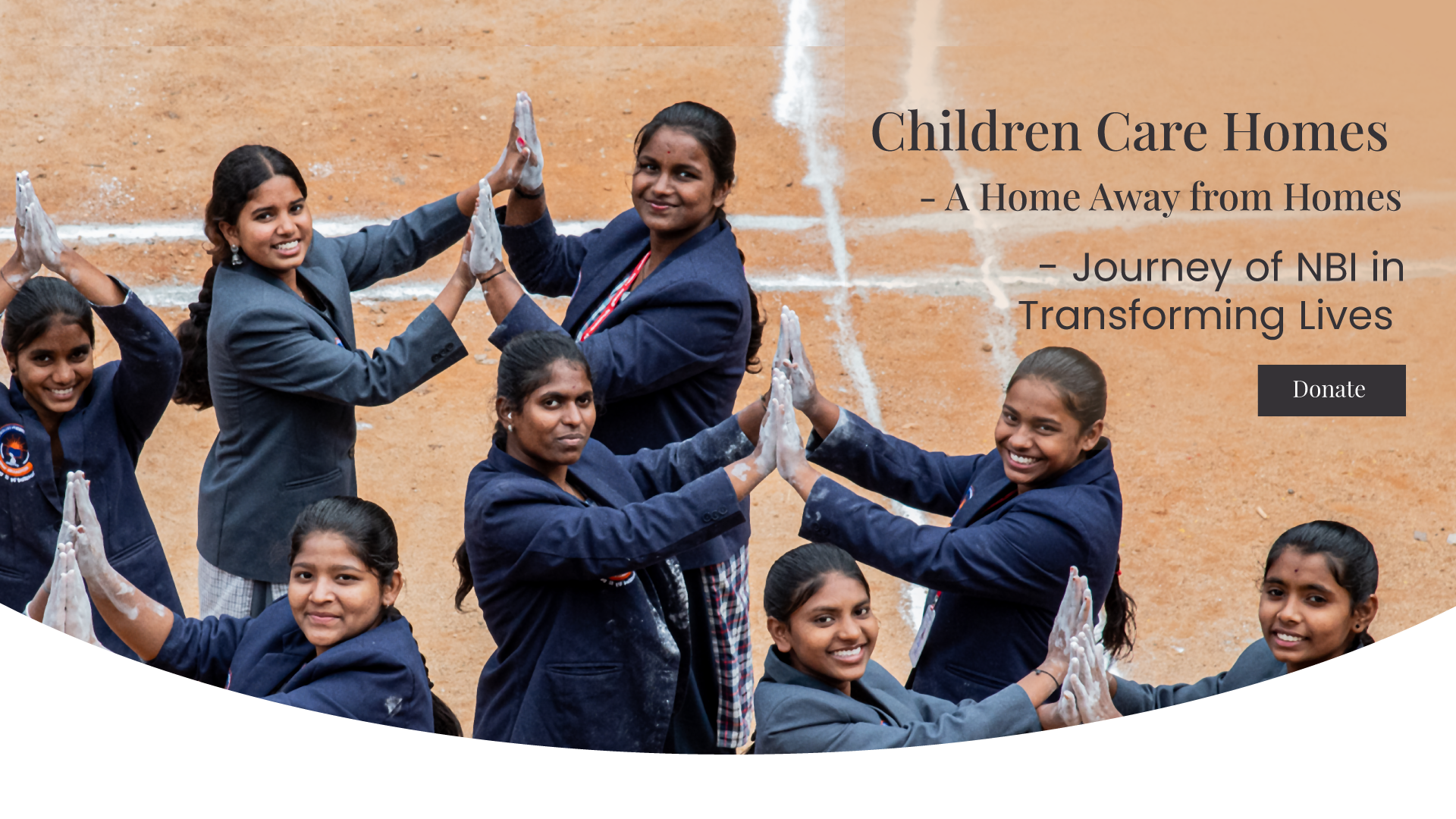
This effort of NBI has ensured elevation of the vulnerable child from an underprivileged background admitted in class I, to become a respectable citizen and lead a normal life. NBI takes pride in being able to enable nearly 30 such students to be part of the mainstream. More than 100 young adults are being supported towards a safe and secure future. Continued effort to enable every child admitted to be part of the mainstream is the endeavour, NBI will ensure.

Be Part Of us And Enrich.

NEED BASE INDIA

Scroll to Top